
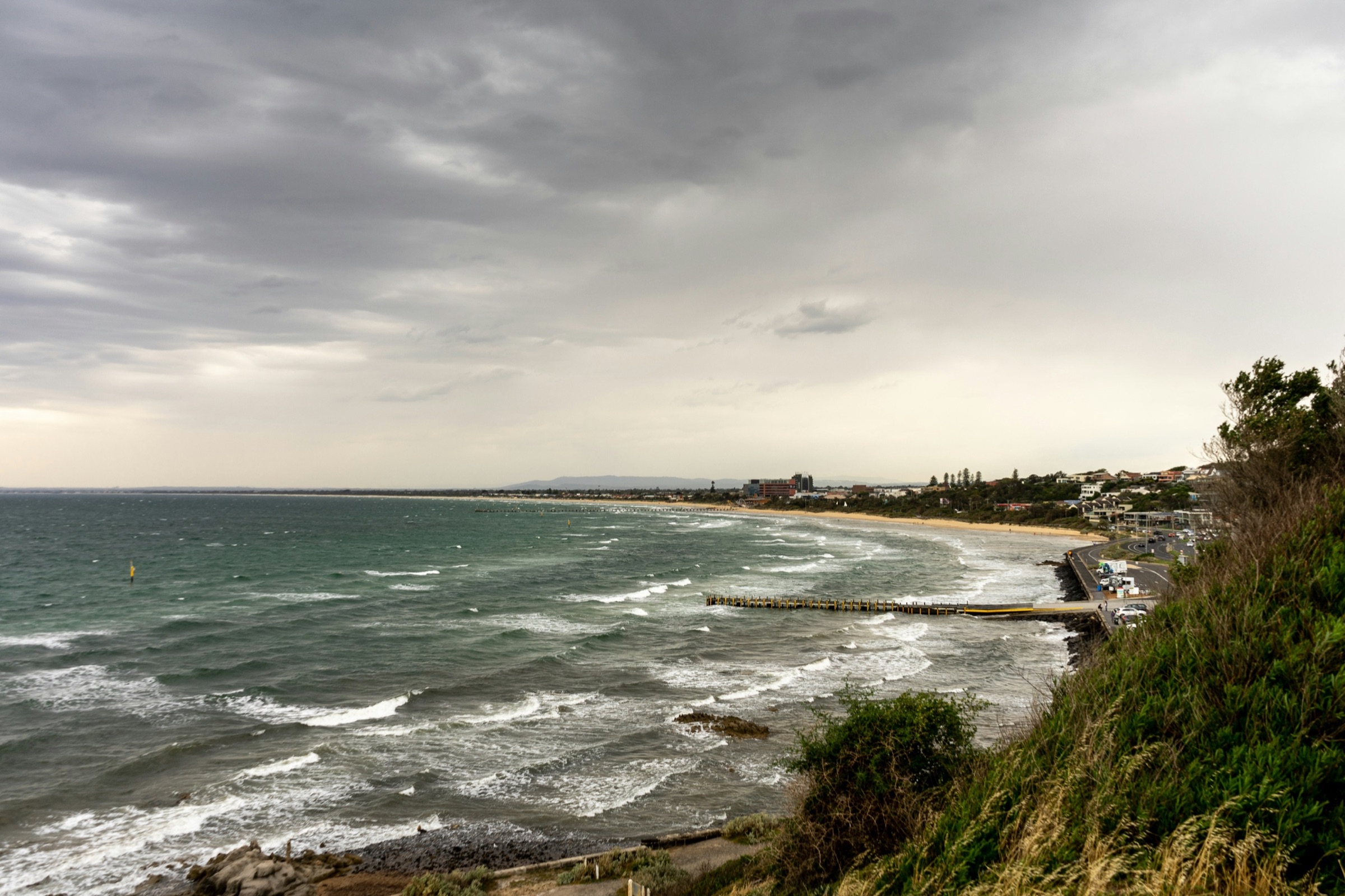
Nine suburbs we know street by street, from established Langwarrin to the acreage around Pearcedale. What homes sell for, and what it's like to live there.

Established family streets in the City of Frankston: older brick homes on big blocks, newer estates to the east, and the Flora and Fauna Reserve close by.

The quieter half of Langwarrin, where streets thin into acreage and paddocks. Homes sit on larger lots, often with room for a shed, a horse or a vegetable garden.

Planned estates on former farmland, with wide streets, wetlands and walking tracks. Most homes are under twenty years old, and the Royal Botanic Gardens Cranbourne sit on the suburb’s edge.

Long a place of acreage and hobby farms, now with newer estates beside the larger lots. Buyers come for space, with the Royal Botanic Gardens Cranbourne on the doorstep.

A township rather than a suburb, with a village strip and a station on the Stony Point line. Older weatherboards near the centre give way to acreage on the outskirts.

Hilly, tree-lined streets rising from the bay at Olivers Hill. Older holiday homes sit beside larger modern builds, and Sweetwater Creek Nature Reserve runs through the middle.

A village of acreage and horse properties, split between Casey and the Mornington Peninsula. Sheds and long driveways are common, and there’s a general store and primary school.

A former orchard town with rural edges, a large retail hub and a station on the Stony Point line. Western Port and the Yaringa marina lie to the east.

Mostly residential estates built since the 1990s on former farmland, close to Frankston, Carrum Downs and Cranbourne. Homes are largely modern family houses on standard blocks.
Get a free appraisal from someone who works your street.
Book an appraisal